Nothing Inspires Confidence Quite Like the Federal Government
The official response to Lyme disease in Canada has always been a tad quirky. Others may choose a different word. The Toronto Star recently (and publicly) wondered why, if Lyme disease cases in this country are skyrocketing and are expected to continue doing so for the foreseeable future, would federal funding be cut to the only national Lyme disease research network the feds were financially supporting. They have their reasons. They just aren't good ones.
Lyme Is Such A Diva
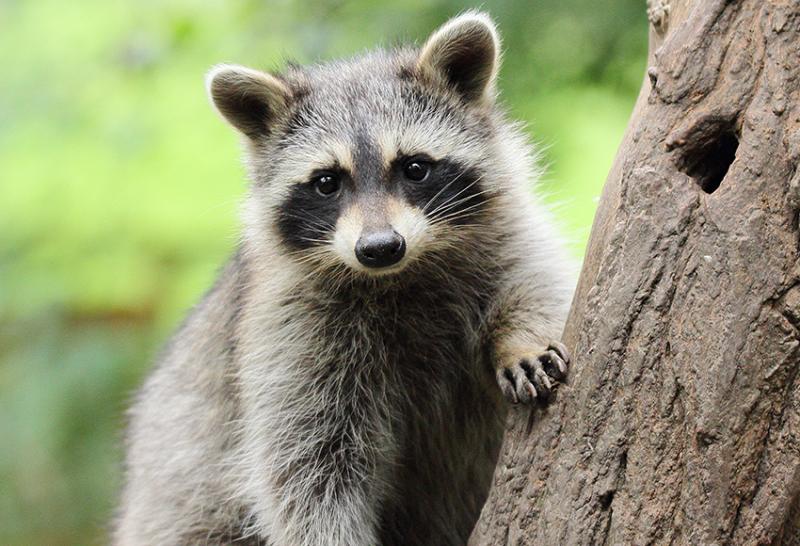
So much so, it has a habit of hogging the spotlight, rarely giving up a single photon to the supporting cast of tick-borne illnesses in this country. As a consequence, Lyme disease continues to be the only tick-borne disease that most Canadians can name. Every once in a while, however, another tick-borne illness will grab a small share of the spotlight. A few years ago, Powassan virus encephalitis was everywhere. Not the disease so much, but news stories about it. More recently, media reports about alpha-gal syndrome (AGS) -- a nasty red meat allergy rarely caused by the bite of lone star ticks but just so gosh darn weird -- started popping up all over the place. In recent months, it's anaplasma that's been getting showered in light. Read this if you want to learn why there's a racoon at the top of this post.
There is No Gold Standard for Collecting Ticks in the Field
But there may be a couple of silver standards. Researchers have confirmed what has kinda, sorta always been known but no one ever really wanted to say outloud: there is no one method for field sampling tick populations that outperforms all the rest. Instead, researchers and public health workers are advised to vary their sampling methods (dragging, flagging, sweeping, CO2 traps) based on what they are trying to achieve, what kind of tick(s) they're looking for, which life stage they'd like to capture and, of course, whatever climate and environmental factors come into play. Also, they need to be prepared to use a combination of methods to have the best shot at getting their bases covered.