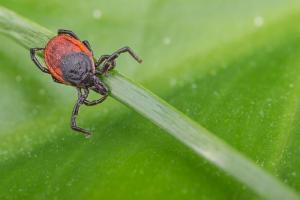
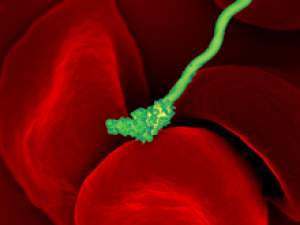
TICK-BORNE RELAPSING FEVER (TBRF)
TBRF is one of the oldest known tick-borne illnesses in this country, with documented cases in the BC Interior stretching as far back to the early 1930s.
When the Chronic Complex Disease Program (CCDP) first opened its doors at BC Women’s Hospital in 2013, it was almost immediately dubbed the “Lyme clinic” by many in the media as well as in the Lyme community even though it was clear from the outset that Lyme disease would be just one of three illnesses being serviced by the clinic. The other two are fibromyalgia and myalgic encephalomyelitis/chronic fatigue syndrome (ME/CFS).
It’s rare for a microbiology lab to make headlines in the mainstream media, but the G. Magnotta Lyme Research Lab managed to do just that in 2020 following the publication of its landmark paper on the complex issues surrounding the microbiology of Lyme disease.
October is Women’s History Month in Canada and while much attention has been paid recently to the women who are, for the most part, successfully leading Canada’s COVID-19 response, women leading research efforts into ticks and tick-borne illnesses in this country have gone relatively unnoticed.
This case report, authored by paediatric specialists from the University of Toronto and Toronto's Hospital for Sick Children (SickKids), documents a case of Lyme disease in a 21-day-old infant who presented with symptoms of disseminated Lyme disease after being bitten on the arm by a blacklegged tick (Ixodes scapularis) that subsequently tested positive for Borrelia burgdorferi, the bacterium that causes Lyme disease.
This study uses passive surveillance data collected between 2010 and 2018 to help determine where American dog ticks (Dermacentor variabilis) populations had their greatest concentrations in Ontario and where they were spreading. During that nine year period, more than 17,000 American dog ticks were collected by public health units, making this tick species the second most common in the province. (With over 22,000 specimens collected during the same time period, blacklegged ticks (Ixodes scapularis) ranked first).
Acknowledging that little is known about how Lyme disease is managed in Canada and what the longterm outcomes are for patients due to a lack of published data, these researchers set out to study 272 patients treated at more than a dozen healthcare facilities in two high-risk regions of Quebec in an attempt to get a handle on the situation.
I won't pretend to understand all of the information in his paper by University of Saskatchewan researchers, but the takeaway is that these scientists have made an important discovery about how certain organisms -- Borrelia burgdorferi among them -- reproduce, something that could ultimately bring medical researchers one step closer to devising treatments aimed at short-circuiting the replication process and ultimately produce a cure for Lyme disease.

This study, undertaken by Quebec researchers between 2015 and 2019, focusses on regions of southern Quebec that boast the highest provincial rates of Lyme disease in an effort to determine if a cost-effective approach to monitoring Lyme disease risk in a large territory over many years could be developed. In all, 21 sites located within provincial or regional parks known to have emerging blacklegged tick populations and appropriate forest composition were selected for sampling twice per year.